
Heat Transfer Products
A practical catalog of transfer finishes used for apparel, uniforms, bags, and promotional goods. Start with the effect you need, then narrow by application and production conditions.
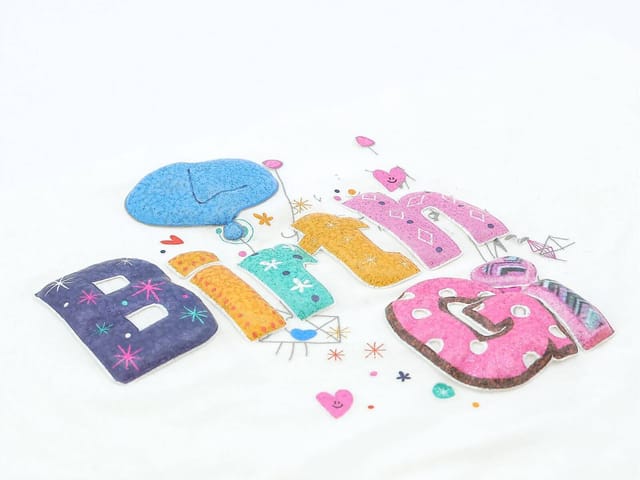
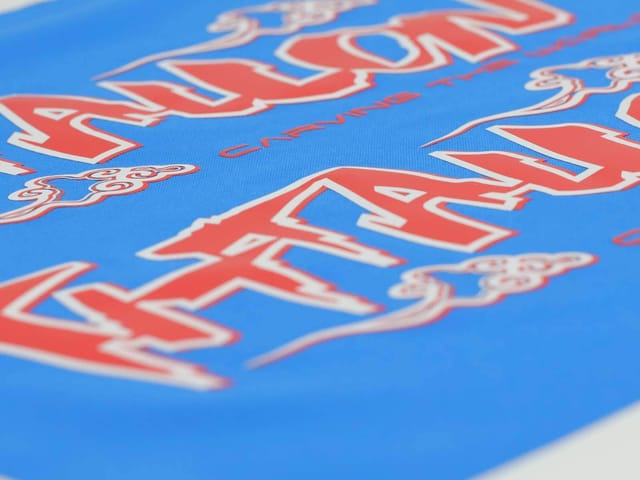
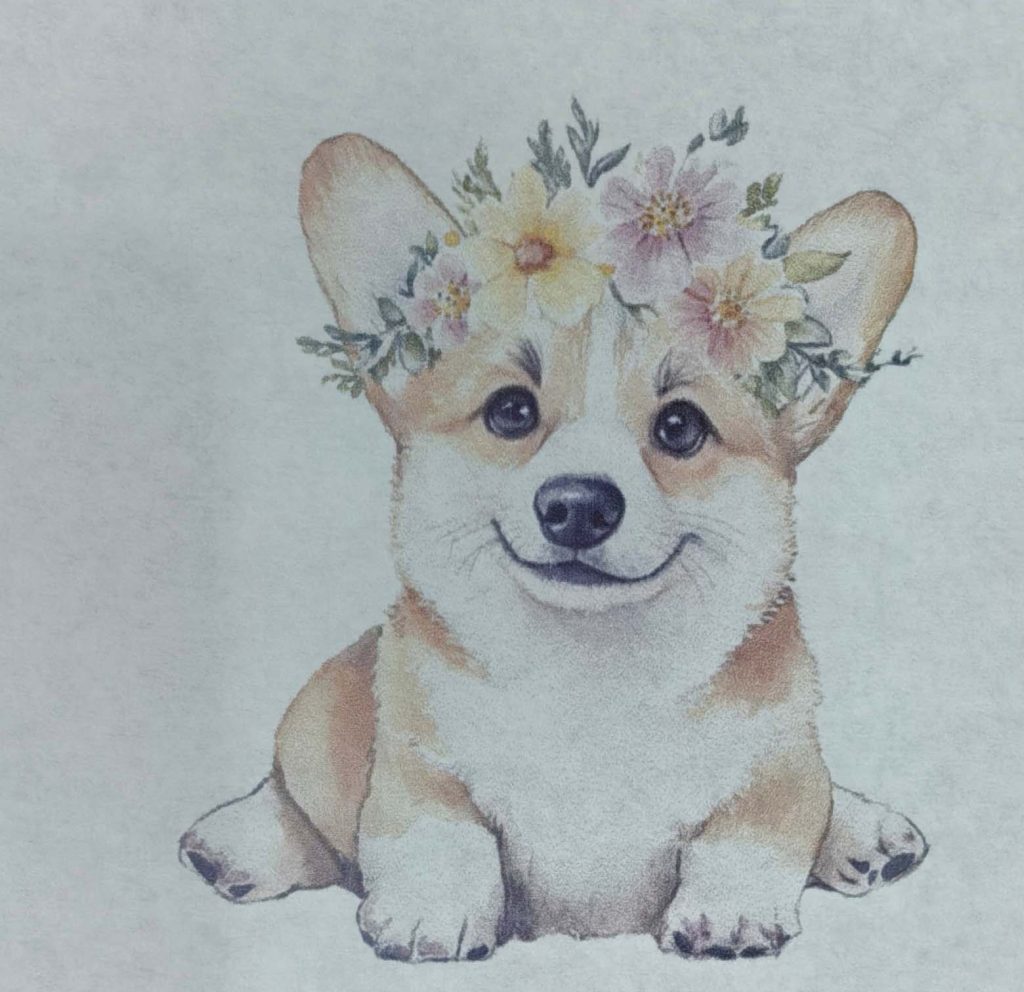
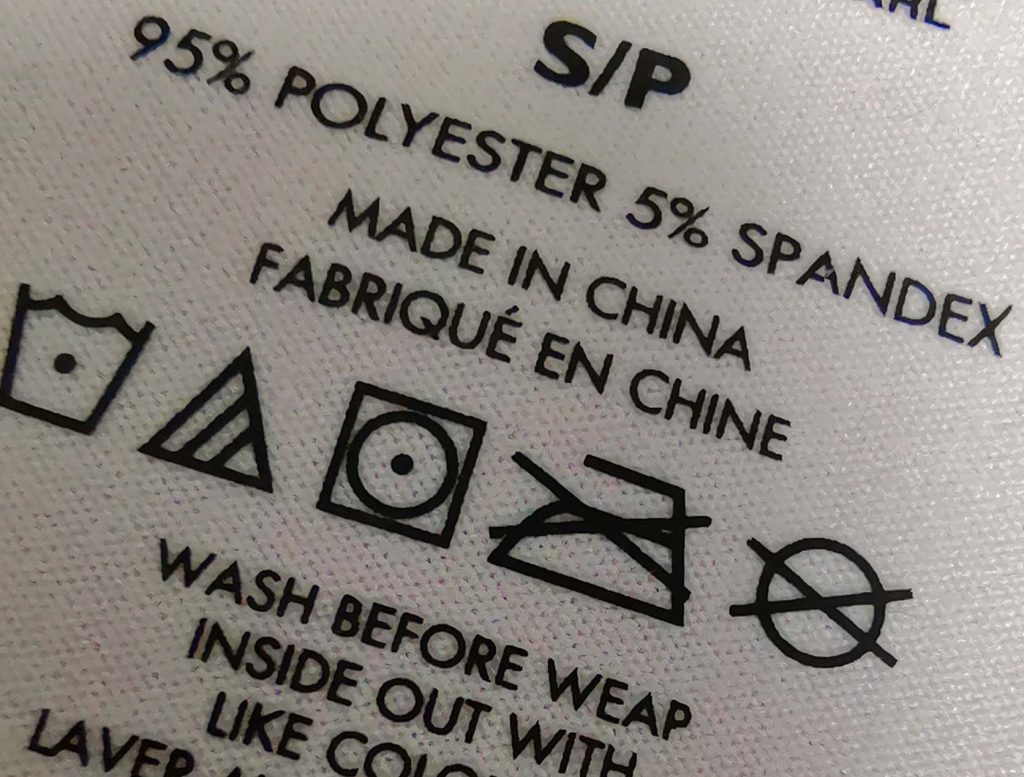
Heat Transfer Methods Compared
Real production parameters from our factory floor: press temperature, dwell time, fabric compatibility, signature traits and typical applications across all eight methods.
| Method | Press (Temp / Time) | Best Fabric | Common Applications |
|---|---|---|---|
| DTF | 130 to 180 °C / 2 to 10 s | All fabrics (cotton, polyester, blends, nylon) | T-shirts, hoodies, kidswear, bags, casualwear |
| Sublimation | 185 to 200 °C / 40 to 60 s | White or light polyester (65 percent plus poly), silk, nylon | Promotional advertising, accessories, neckties, umbrellas, bags, sportswear, jerseys, garments |
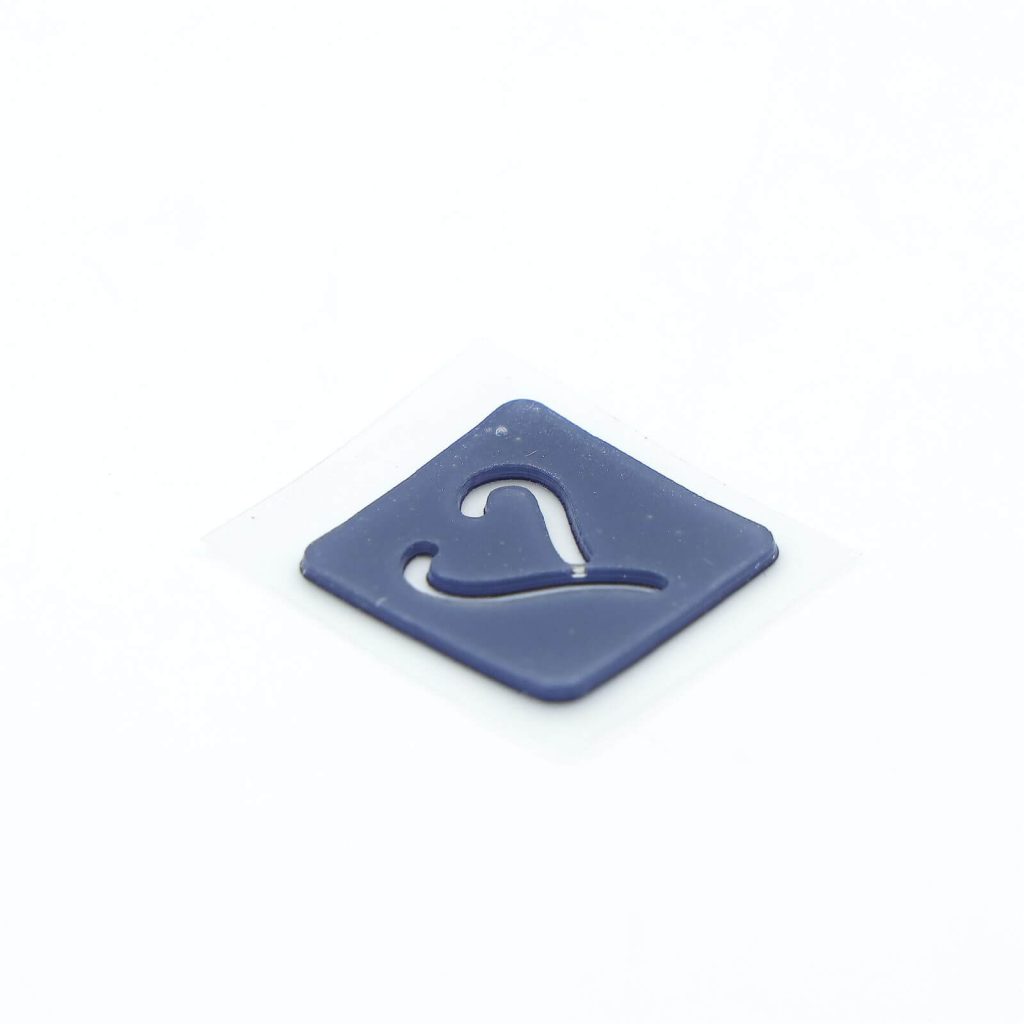
| Silicone | 150 to 180 °C / 4 to 10 s (110 to 140 °C for heat-sensitive fabrics) | All fabrics including stretch, membrane shells, elastic underwear | Activewear, swimwear, gloves, knitwear, intimates, caps, premium OEM |
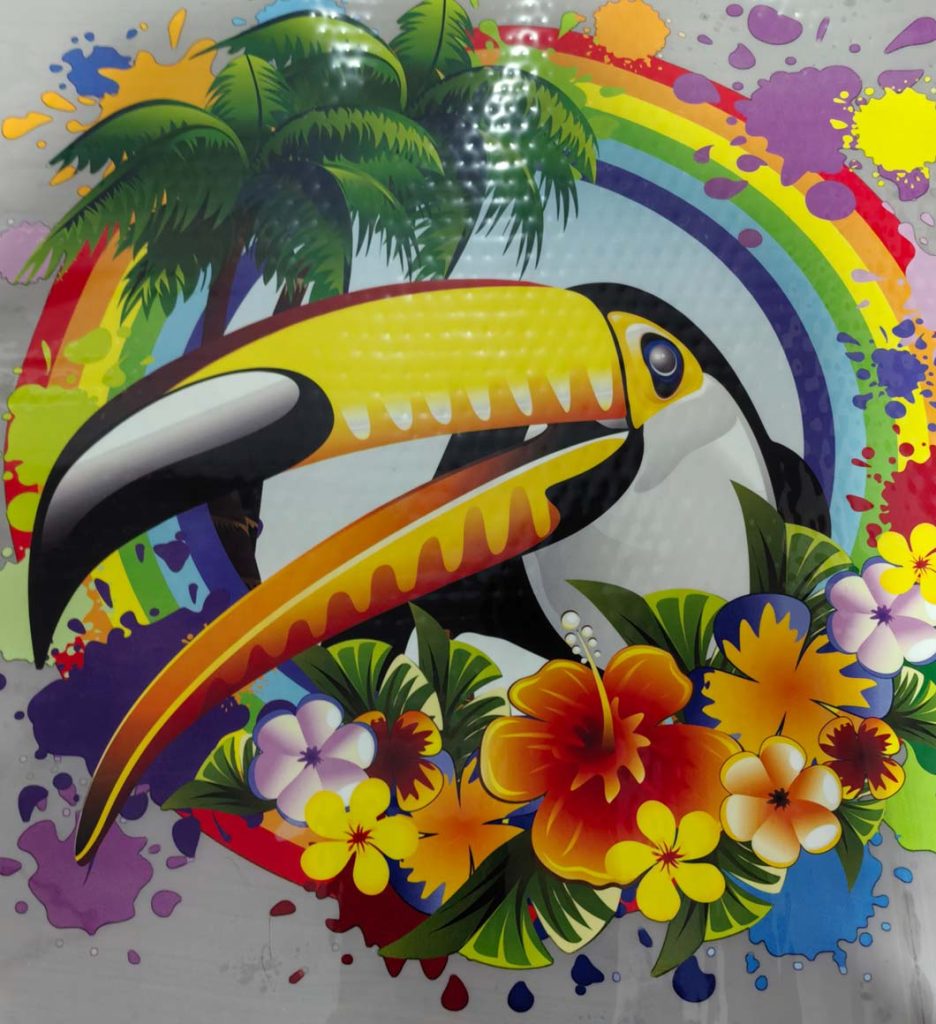
| Puff | 120 to 180 °C / 5 to 8 s | All fabrics (cotton, blends, polyester) | Kidswear, bags, decorative items, T-shirts, hoodies, streetwear |
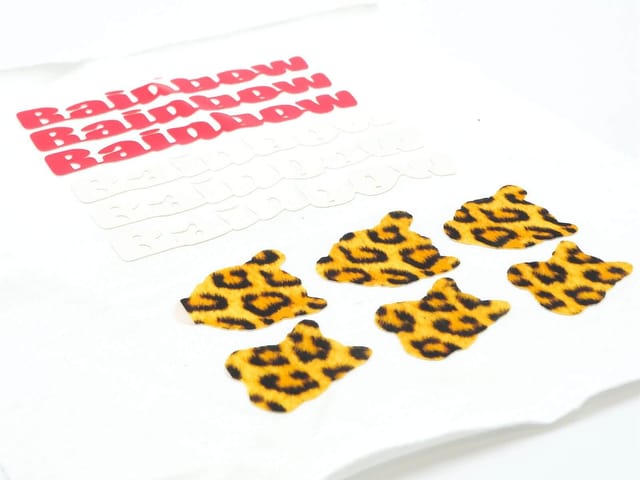
| Flock | 130 to 180 °C / 5 to 10 s | All fabrics (cotton, blends, polyester) | T-shirts, caps, accessories, luxury fashion apparel |
| Reflective | 150 to 180 °C / 5 to 10 s | All fabrics (cotton, polyester, blends) | Footwear, hats, bags, home textiles, workwear, outdoor gear, schoolwear |
| Offset Printing | 150 to 170 °C / 10 to 15 s | TC fabric, cotton, fleece, nylon, mesh, lycra, PVC synthetic, PU synthetic leather | Garments, bags, hats, accessories, umbrellas, footwear |
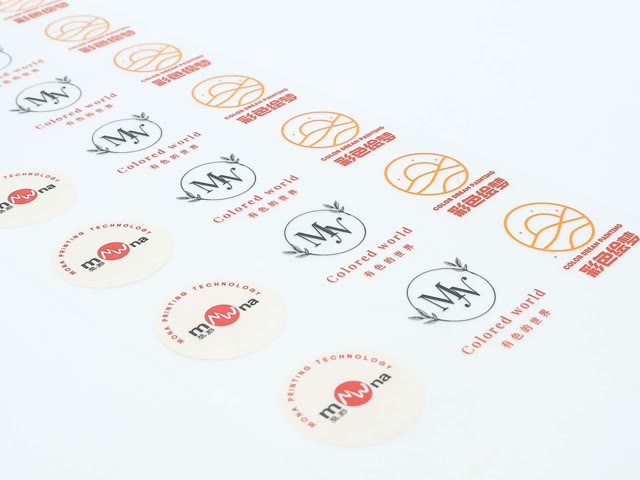
| Tagless Labels | 140 to 180 °C / 5 to 10 s | Cotton, blends, intimates fabrics | Infant and toddler wear, premium garment inner labels, intimates, sportswear |
Frequently Asked Questions
Mona produces eight main heat transfer types: DTF (Direct-to-Film), Sublimation, Silicone, Puff, Flock, Reflective, Offset Printing and Tagless Labels. Each is engineered for different fabrics, run sizes and finish requirements. Pick by what matters most for your program, fabric, quantity or finish style.
MOQ varies by process. Silicone starts at 500 pcs per design (sample-first OEM workflow). Sublimation starts at 3,000 pcs. DTF, Flock and Puff start at 5,000 pcs. Offset Printing starts at 10,000 pcs because of plate setup. Send your target quantity and we will quote the most cost-efficient route.
Choose DTF when your fabric is cotton, blend, dark or mixed, or when you need versatile placement on a thin film layer. Choose sublimation when the fabric is white or light polyester (65 percent plus poly), and you need a zero-feel print that breathes for sportswear, jerseys and activewear. Sublimation will not work on cotton or dark fabrics.
For cotton T-shirts, sweatshirts and hoodies, DTF is the most versatile starting point (unlimited colors, full CMYK, 5,000 pcs MOQ). For a premium raised logo on cotton, choose Silicone. For tactile velvet branding, choose Flock. We can sample on your actual fabric before bulk to confirm hand feel and wash durability.
Standard lead time is 5 to 10 working days for DTF, Sublimation and most stock-process transfers after artwork approval. Silicone OEM programs take 10 to 15 working days after sample approval. Offset Printing needs 7 to 10 days plus plate setup. Air or sea freight is quoted separately based on destination and quantity.
Yes. We strongly recommend a sample pressed on your actual fabric before bulk. Sample lead time is typically 5 to 7 working days after artwork and fabric details are confirmed. Sample fees are usually deductible from the bulk order. This protects both sides on hand feel, color, adhesion and wash durability before any production commitment.
Yes, on request. Mona can supply OEKO-TEX Standard 100, REACH and RoHS compliant materials for orders that need third-party certification (childrens wear, EU retail, Amazon FBA, skin-contact apparel). Tell us at the order stage and we will allocate the correct material batch and provide the certificate with shipment.
Yes. The factory accepts only two artwork formats: AI and PDF. Send vector AI or PDF with all text outlined, and finished dimensions noted. This gives the cleanest sample turnaround and the most accurate color reproduction across repeat orders.